The long-term compounding ROI of a Fitness Center
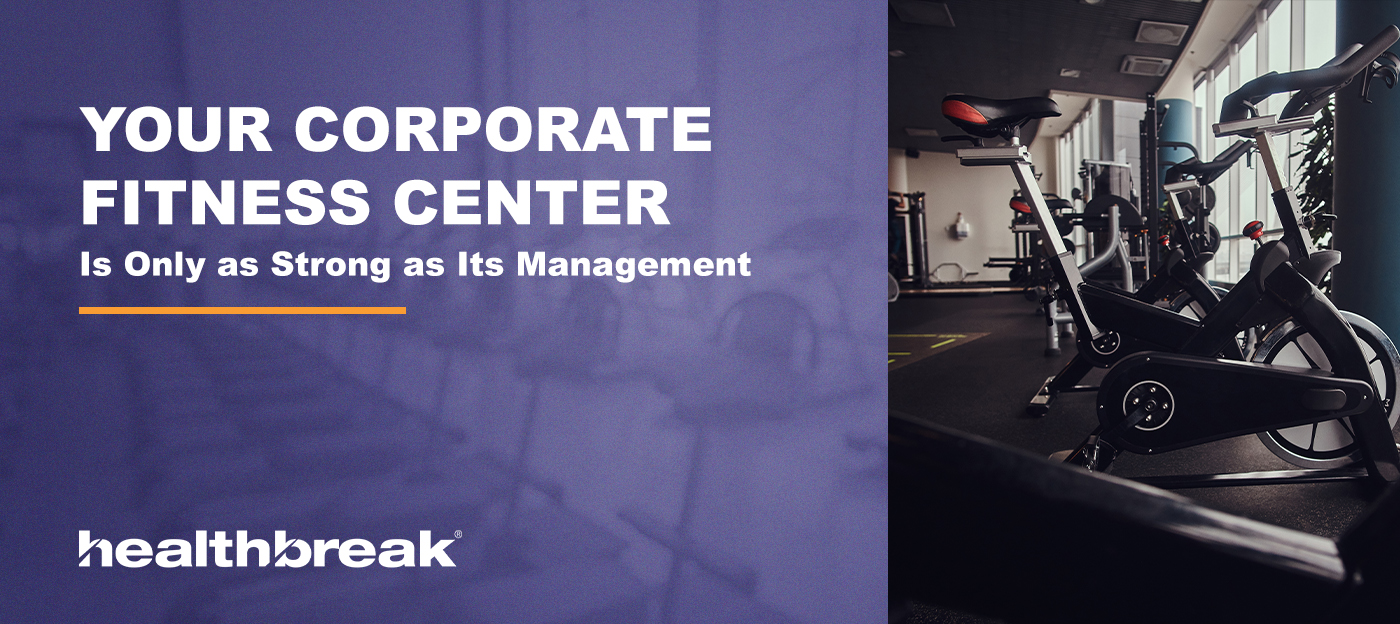
Your Corporate Fitness Center Is Only as Strong as Its Management
Last Updated
August 28, 2026
The long-term compounding ROI of a Fitness Center
It takes more than existing for a corporate fitness center to be a success. Employees need to know how to join, where to go, what to do, when classes are, and to have a space that feels safe enough to use. If this support is missed, even a well-equipped fitness center can turn into an expensive room your employees don’t use.The real ROI of a corporate fitness center builds in the long-term. The value comes from consistent management, smart programming, member support, safety planning, and the daily work of helping employees make movement part of their routine.Over time, a well-run fitness center supports healthier routines, stronger morale, better engagement, lower stress, and stronger retention. The Centers for Disease Control and Prevention also connects effective workplace health programs with lower healthcare costs, reduced absenteeism, better productivity, recruitment, retention, morale, and workplace culture.Your management services should cover not only planning the physical space but running daily operations:
- Layout
- Lighting
- Flooring
- Electrical
- Equipment
- Staffing
- Member guidelines and facility rules
- Emergency protocols
- Signage
- Group classes
- Coaching
- Maintenance
Does your fitness center offer the same amenities of other local options? Such as locker rooms, showers, group fitness classes, certified personal trainers, secure facilities, extended access hours, strength/cardio/yoga equipment, and changing rooms?
A Fitness Center Is Part of a Workplace Health System
Corporate fitness centers work best when employers treat the space as a key part of the overall employee wellness plan. That means the fitness center must have:
- A clear operating plan
- Certified staff
- Member onboarding
- Group programming
- Safety procedures
- Equipment maintenance
- Communication support
- Participation tracking
- Employee feedback loops
When the space feels confusing, intimidating, or inconvenient, it goes unused. A beginner may feel embarrassed using equipment in front of coworkers. A shift worker may need different access hours. A parent may need a workout that fits into a tight schedule. A sedentary person returning to exercise may need reassurance.
"Over time, a well-run fitness center supports healthier routines, stronger morale, better engagement, lower stress, and stronger retention. The Centers for Disease Control and Prevention also connects effective workplace health programs with lower healthcare costs, reduced absenteeism, better productivity, recruitment, retention, morale, and workplace culture."
Convenience Matters
An on-location fitness center gives employees one of the strongest advantages in wellness: convenience. Employees can exercise before work, during a break, after work. Having fitness part of their normal schedule is the single biggest barrier to their A well-managed fitness center can also remove the stress of a commercial gym, allowing employees to feel more comfortable without sales pressure, fees, or contracts. A workplace fitness center should always feel more approachable for your team.
Program Engagement
Employees need reasons to come back. Group fitness classes, fitness challenges, one-on-one coaching, nutrition coaching, fitness assessments, educational workshops, and seasonal programs provide the structure to keep the fitness center active:
- A January fitness challenge helps employees start the year with momentum.
- A strength basics class may help beginners feel less intimidated.
- A mobility session may help employees who sit most of the day.
- A lunchtime class may help busy teams fit movement into the workday.
- A fitness assessment may help someone see progress they would have missed.
Healthbreak’s management model includes running the ongoing programs that keep employees engaged and keeps fitness from feeling stale.
"Employees notice when an employer invests in their daily wellbeing. A well-managed fitness center supports energy levels, stress relief, social connection, and healthier habits. "
Fitness Center Management Supports Outcomes
Employees notice when an employer invests in their daily wellbeing. A well-managed fitness center gives employees a visible benefit they can use regularly. It supports energy levels, stress relief, social connection, and healthier habits. It can also help the workplace feel more intentional and people-focused.Well-run fitness centers also support productivity. Movement supports mood, stress management, sleep, and overall health. The CDC points to workplace physical activity efforts as a way employers can increase productivity, reduce absenteeism, improve morale, and both attract and maintain employees.
What Healthbreak Brings to Corporate Fitness Centers
Healthbreak supports employers as they create thriving fitness centers that employees actually use and organizations actually benefit from. We support fitness center design, equipment selection, member onboarding, certified staffing, group fitness, personal training, wellness programming, nutrition coaching, fitness assessments, facility operations, safety procedures, signage, documentation, and ongoing member engagement. Healthbreak can help build the right foundation for a new fitness center and help existing centers, improve participation, safety, programming, and daily operations. Our goal is to make the fitness center easier to use, easier to manage, and more valuable over time. Healthbreak has been the national leader at helping employers integrate & run impactful programs and on-site fitness centers for healthier, more productive workforces since 1990. If you’re starting this conversation within your team, we’re happy to be a thought partner and share our experience from serving over 280,000 employees.