Last Updated
June 19, 2026
Most wellness programs don’t fail because they’re bad. They fail because no one has time to run them.
On paper, most wellness programs appear solid. The platform is integrated, the content exists, and your vendor promises engagement. The strategy checks all the boxes.Then reality hits: HR has 15 other priorities, and wellness slowly drifts into the background.
The actual workload HR is managing
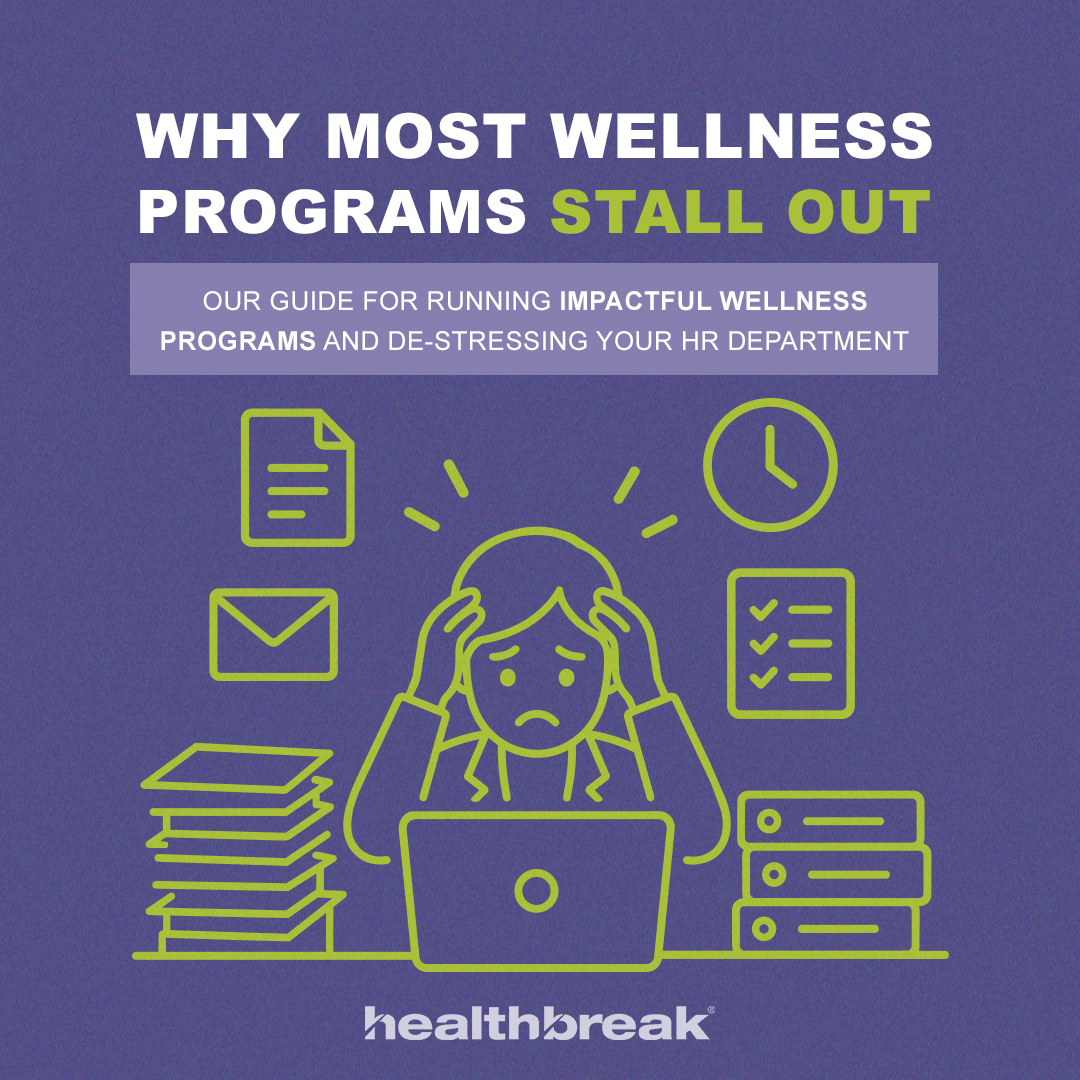
Your HR team doesn’t have bandwidth to launch and manage a wellness program or campaigns. Your HR team is managing:
-
Benefits administration and renewals
-
Compliance and reporting
-
Employee relations and retention
-
Recruiting and onboarding
-
Payroll coordination and internal operations
Wellness matters, but will always be pushed down the priority list by emergencies.
Why wellness becomes “important, but not urgent”
Wellness is a long-term play to improve health over time and reduce risks gradually. Wellness drives cost savings later.Unfortunately, this makes wellness programs easy to delay in the day-to-day chaos.There’s no immediate consequence for skipping a campaign, postponing a challenge, or not following up with employees… until those missed moments stack up and show up in participation, outcomes, and claims.
Where most programs break down
Most organizations fail at execution. The common pattern looks like this:
- A platform is purchased
- A rollout happens with good intentions
- Engagement spikes briefly
- Internal ownership becomes unclear
- Communication slows down
- Participation drops
The program doesn’t collapse overnight, but it does quietly stall momentum.
What 99% of Wellness Program Vendors don’t solve
Most platform or program vendors in the employee wellness space focus on tools. They provide dashboards, content libraries, and engagement features. Then they hand it over to your HR team, expecting them to:
- Build the communication plan
- Manage timelines and campaigns
- Drive participation
- Monitor engagement
- Interpret data and adjust strategy
WHEN your wellness program stalls, it’s because you chose the wrong partner, not the wrong platform.
What actually works instead
Programs succeed when someone owns the day-to-day execution:
- Consistent communication, keeping wellness visible
- Structured campaigns that run on schedule
- Ongoing engagement, not one-time pushes
- Clear accountability for results
- Integration with total benefits strategy, cross-promoted through wellness
Programs fail when an experience-driven, full-time load of tasks is dropped onto an HR team. Success means having someone who can connect strategy to action without adding more work to HR’s plate. You don’t even have to hire someone to fill this program execution role. Healthbreak can be your strategic partner with fractional wellness coordination – designed to take the load off your HR team and become the champion for your wellness program’s success.
What employers and HR leaders should do next:
Ask a direct question: Who is (or, would be) responsible for running our wellness program day to day?If the answer is “HR will figure it out,” there’s a problem waiting to happen. Healthbreak supports employers not just with strategy and platforms, but with execution. From communication and campaign management to reporting and optimization, we partner to make it easy on your HR staff and keep payroll costs down.Have you been burned by a wellness vendor when you really needed a partner? Connect with us: info@healthbreakinc.com | 720-344-9507 Healthbreak has been the national leader at helping employers integrate & run impactful programs and on-site fitness centers for healthier, more productive workforces since 1990. If you’re starting this conversation within your team, we’re happy to be a thought partner and share our experience from serving over 280,000 employees.