
Search Articles
Why Workplace Wellness Only Works When It Fits Real Life
From Potential to Practice: Over the past several years, employers have poured real resources into workplace wellness. On paper, it looks impressive. And yet I continue to hear the same [...]
Read Article
Why GLP-1s at Work Deserve a Smarter Strategy
Have you noticed a quiet shift happening across many workplaces? More people are starting GLP-1 medications and experiencing changes in their energy, appetite, mobility, and overall health. These changes follow [...]
Read Article
Beyond the “We Do Not Care” Movement: Why Menopause at Work Deserves Attention
You’ve probably noticed something that doesn’t make it into HR surveys. Many mid-career and senior women are quietly dealing with perimenopause and menopause symptoms while still trying to lead teams, [...]
Read Article
Wellness Trends Shaping the Industry in 2026
The wellness industry is at an inflection point. Rising healthcare costs, new technologies, and mentally and physically strained workforce are converging at once. Is what worked in the past going [...]
Read Article
Clinical Insights #3: GLP-1s and the Missing Lifestyle Link
GLP-1 has changed the landscape of obesity treatment. In clinical studies, patients lose an unprecedented average of 15–20% of their body weight. The difficult truth: nearly two-thirds of patients regain [...]
Read Article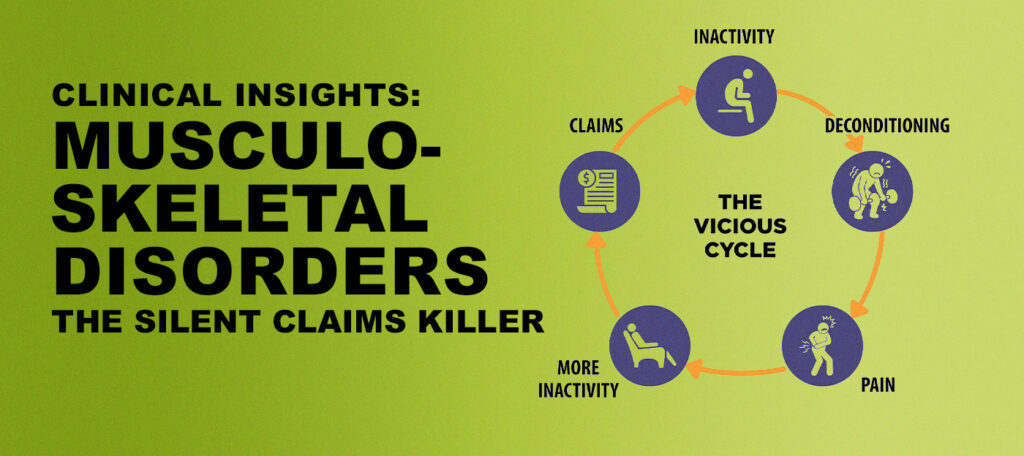
Clinical Insights #2: Musculoskeletal Disorders
Musculoskeletal disorders (MSK) account for nearly 20% of employer healthcare spend, making them one of the most significant but under-appreciated cost drivers.
Read Article
Do Incentives Make or Break a Wellness Program?
Incentives are among the most debated elements of wellness program design. The central question: Do they truly drive participation and outcomes, or do they create dependency?
Read Article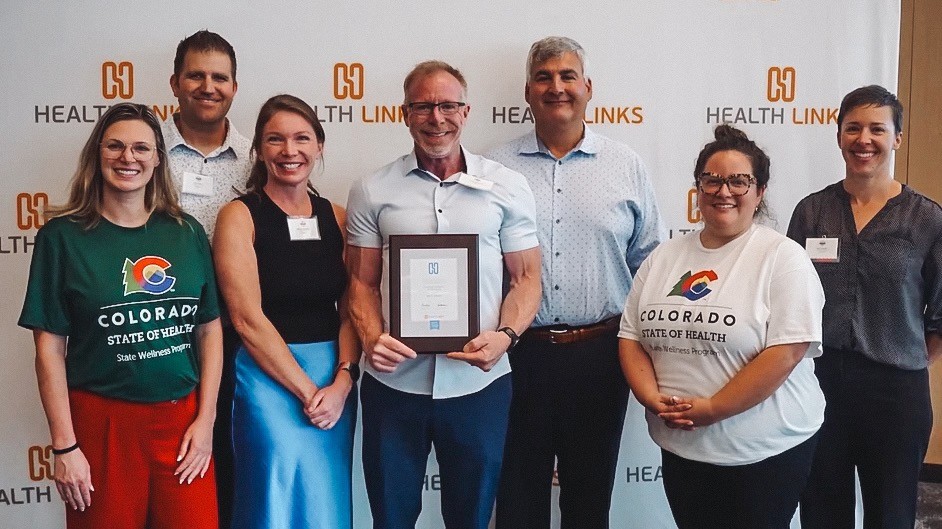
State of Colorado Receives “Champion of Well-Being Certified Leader Award” 2025
We’re thrilled to celebrate our long-standing partner, the State of Colorado, on receiving the Champion of Well-Being Certified Leader Award, the highest level of recognition in the Health Links® Healthy [...]
Read Article
The 5 Wellness Personas Shaping Employee Engagement in 2025
Creating a wellness strategy to drive meaningful participation means understanding who you’re designing for. Based on McKinsey’s 2025 consumer segmentation, there are five dominant wellness personas. Tailoring your approach to [...]
Read Article
Don’t Pay for Wellness Twice: Health Plan vs. Wellness Platform
"We already have a free wellness tool included with another service... so we’ll just use that.” We hear this more and more, and we understand the instinct. But these tools [...]
Read Article
Clinical Insights #1: Sedentary Employees
Extended sedentary time is no longer a lifestyle concern; it is a well-documented clinical risk factor. Research shows that sitting more than eight hours per day elevates the likelihood of [...]
Read Article
Rethinking Employee Wellness: The Rise of Lifestyle Spending Accounts
At Healthbreak, we’ve seen a clear shift in how employers are thinking about well-being. Mid-sized companies especially are re-evaluating wellness programs that look good on paper but fail to gain [...]
Read Article