
It only takes one claim to change your entire benefit strategy
Most employers think rising healthcare costs are gradual, predictable, and something you manage year over year. Then one claim hits, and suddenly, everything changes.
The reality of catastrophic claims
A single serious medical event can cost hundreds of thousands, with some cases pushing well into seven figures. One employee with a complex condition, emergency event, or unmanaged chronic disease can shift your entire cost structure.Renewal conversations get tense, premiums increase, and budget forecasts get re-drawn. None of it was part of the plan.
Why reaction is always more expensive
Most benefits strategies are built around reacting:
- An issue shows up in claims data
- Costs rise
- Then programs are introduced to try to manage the damage
By that point, the expensive part has already happened. Late-stage intervention is complex, requiring more resources and costs just to stabilize the situation. The opportunity to prevent it was months or years earlier.
The hidden costs employers often miss
The direct cost of a claim is only part of the problem. These factors also contribute to your financial exposure:
- Increased premiums at renewal
- Higher employer contributions
- Greater risk pool volatility
- Reduced negotiating power with carriers
- Productivity loss and absenteeism
- Long-term strain on benefits budgets
What prevention actually looks like
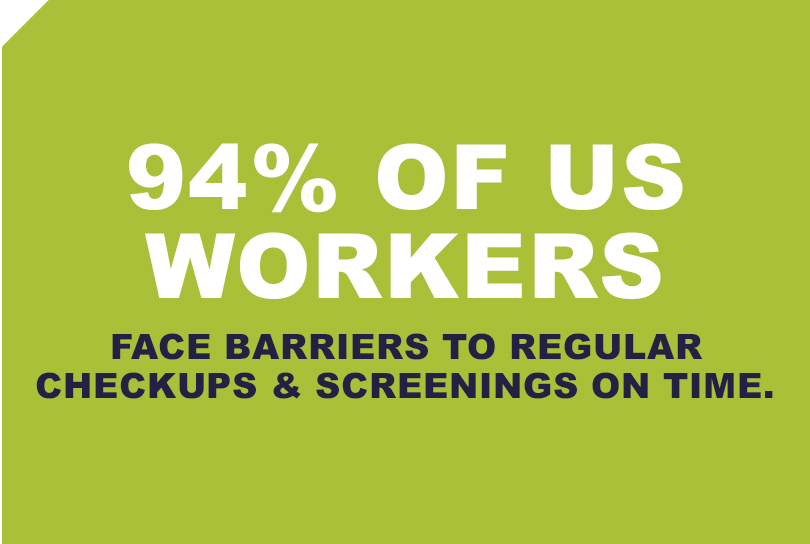
Prevention doesn’t have to be a vague, amorphous concept. 94% of US working adults face barriers to getting recommended screenings or checkups, meaning most employees (and employers) couldn’t measure prevention anyway. Biometric screenings give employers and HR teams a visible baseline, helping you identify early indicators like elevated glucose, blood pressure, and cholesterol before they become major conditions. Then, layer in targeted support. Coaching, education, and structured programs help employees act on that data in a way that fits their lifestyle and risk level.
The cost difference between early intervention and late-stage treatment is massive
Most chronic conditions don’t appear overnight. Chronic conditions are more likely to build gradually through small, compounding factors, meaning they can also be slowed, improved, or prevented with small, consistent changes. Catching a risk early can mean:
- Avoiding a diabetes diagnosis
- Preventing a cardiovascular event
- Reducing long-term medication dependency
- Keeping your team healthier and happier
Why this matters to leadership
Benefits strategy is all about managing risk. Great wellness plans reduce your financial exposure well before it shows up on your claims report.
- The organizations that treat wellness as a line item will always be reacting.
- The organizations that treat prevention as infrastructure will control outcomes.
What leaders should do next
Start by asking a different question: What are we doing today to prevent the claim that will impact next year’s renewal?If the answer is limited to reactive programs, you have an expensive, risky vulnerability. Healthbreak helps employers like you close that gap through screenings, coaching, and proactive wellness strategies designed to identify risk early and change outcomes before costs escalate.The most expensive problems are the ones you never planned for. Healthbreak has been the national leader at helping employers integrate & run impactful wellness programs and on-site fitness centers for healthier, more productive workforces since 1990. If you’re starting this conversation within your team, we’re happy to be a thought partner and share our experience from serving over 280,000 employees.Connect with us: info@healthbreakinc.com | 720-344-9507