
Over the past several years, employers have poured real resources into workplace wellness: new platforms, expanded benefits, bigger program catalogs. On paper, it looks impressive. And yet I continue to hear the same underlying question from executives and HR leaders: if we are investing more than ever, why are the results so uneven?
It is not because we lack research. We know a great deal about what drives long-term health and performance. The challenge is translating that evidence into something employees can realistically use while balancing deadlines, caregiving, commutes, and everything else life demands.
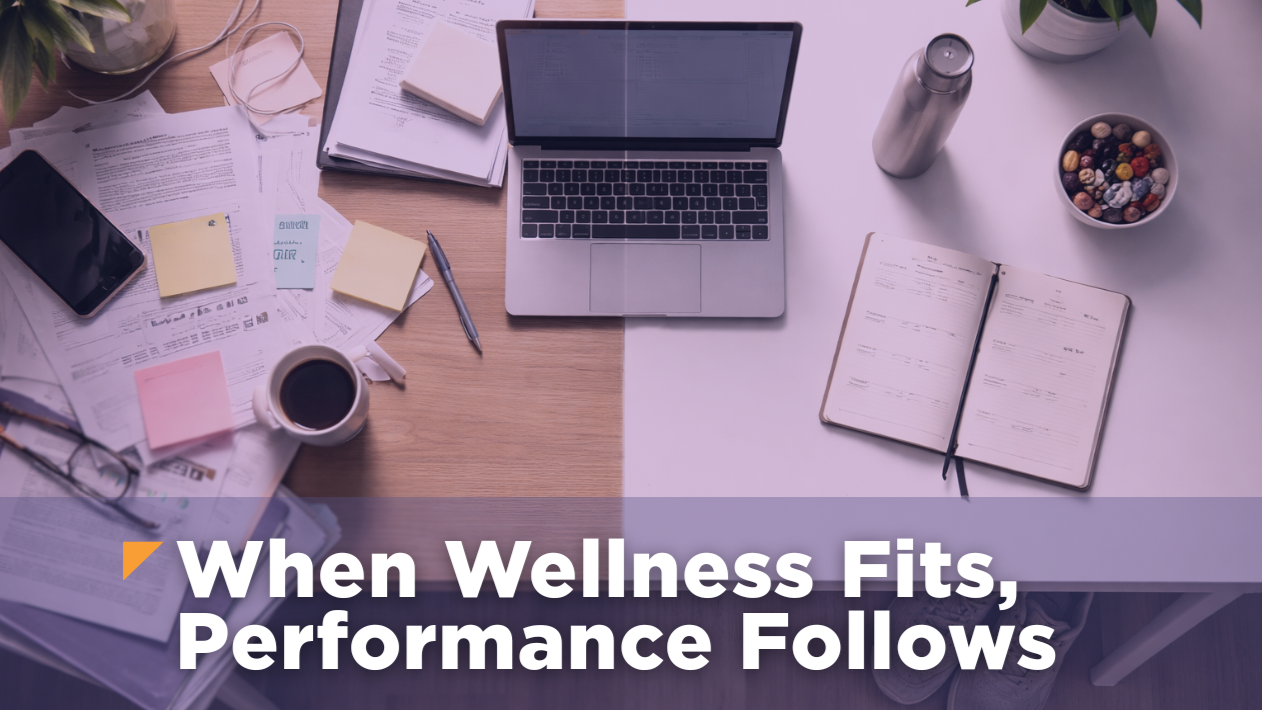
Wellness only works when it fits into the flow of work – and real life – not when it is layered on top of an already full day.
Employees do not experience health in neat categories. Stress disrupts sleep. Poor sleep drains energy and patience. Physical strain becomes mental fatigue. When programs address these issues in isolation, they may look comprehensive in a benefits brochure, but they rarely feel manageable in real life.
The organizations that see traction tend to do a few things differently.
- They stay grounded in the fundamentals. Movement, sleep, nutrition, and stress regulation are not trendy topics, but they remain the strongest predictors of cardiovascular risk, cognitive performance, absenteeism, and long-term cost. It is tempting to chase innovation, yet the basics still move the needle when they are supported consistently and simply.
- They remove friction. Many initiatives do not fail because employees are disengaged. They fail because participation requires too many checklists, too many portals, or too much energy at the end of the day. Programs that succeed are designed to fit naturally into existing workflows and routines.
- They also recognize that behavior change is not linear. Employees move through seasons. There are periods when engagement is easy and stretches when it is not. Effective strategies make it easy to step back in without guilt, complexity, or penalty when life becomes demanding.
- Leadership behavior matters more than most organizations realize. Employees watch what leaders model far more closely than what they promote. When managers protect boundaries, prioritize recovery, and demonstrate sustainable performance, wellness becomes credible. When leaders themselves are running on empty, no initiative can overcome that signal.
- Measurement deserves the same thoughtfulness. Participation rates can look encouraging in the short term, but the outcomes that matter most are steadier performance, lower burnout, stronger retention, and reduced health risk. Those indicators take time, but they are far more meaningful.
Ultimately, this requires a shift in mindset. Wellness is not a perk, and it is not a menu of programs. It is part of how work gets done.
At Healthbreak, we see that the organizations moving the needle focus on fewer priorities, design them intentionally, and commit to consistency. The goal is not perfection or constant enthusiasm. It is sustainability.
Wellness does not need more noise or novelty. It needs alignment. When it reflects the realities of how people actually work and live, it stops being an initiative and starts driving results.
Valerie Nagoshiner, MB
President, Healthbreak
Vnagoshiner@healthbreakinc.com
Source Credit: https://www.mckinsey.com/mhi/our-insights/from-potential-to-practical-fueling-performance-with-proven-workplace-health-interventions?s