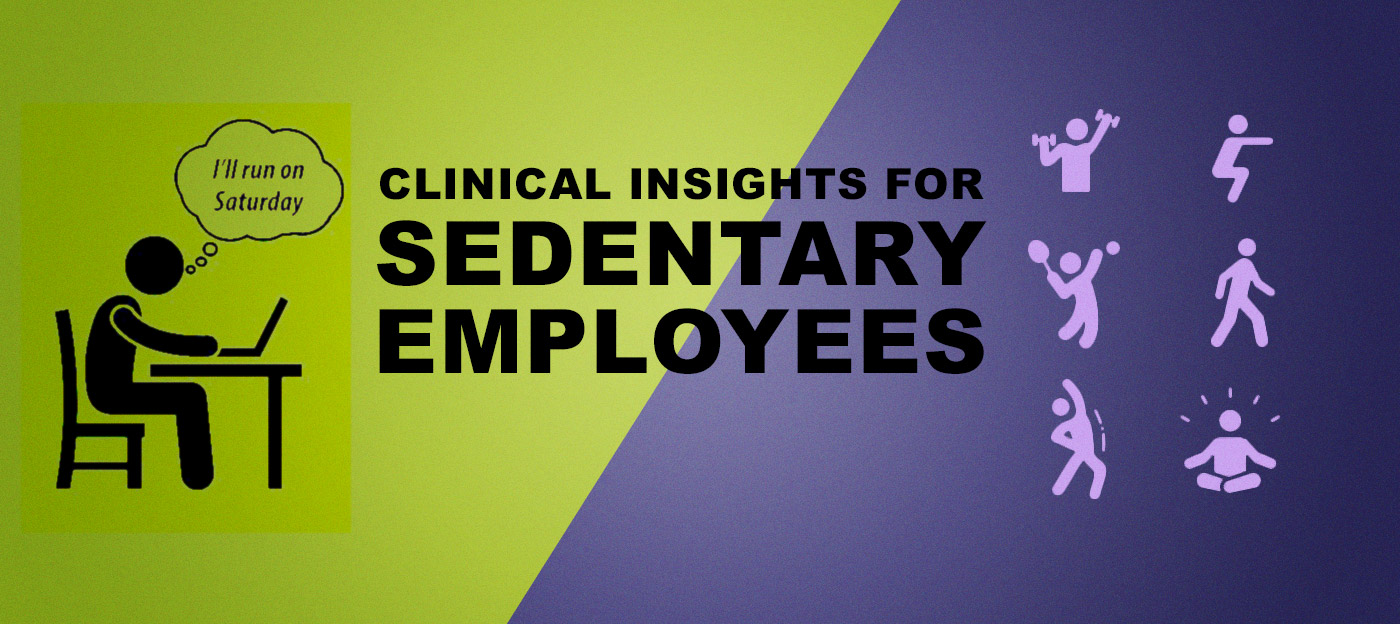

Extended sedentary time is no longer a lifestyle concern; it is a well-documented clinical risk factor. Research shows that sitting more than eight hours per day elevates the likelihood of type 2 diabetes, cardiovascular disease, and premature mortality, even among otherwise active individuals.
From a physiologic perspective, the cascade begins within hours: skeletal muscle contractions cease, glucose uptake diminishes, and insulin resistance develops. This biologic response is not fully reversed by episodic exercise. In other words, the “weekend warrior” model cannot offset the metabolic dysfunction induced by a sedentary workweek.

For employers, this translates directly into increased claims exposure for cardiometabolic disease, musculoskeletal disorders, and related comorbidities. Programs that rely solely on digital tracking or reimbursement for gym memberships fail to address the underlying pathophysiology. Effective prevention must be daily, structured, and embedded into the rhythm of work.
Healthbreak’s physician-designed programs are customized with this clinical reality in mind. Through initiatives such as our Fitness Academy, we equip employees to incorporate movement throughout the day, mitigating sedentary risk in a way that is practical and measurable.