Beyond the “We Do Not Care” Movement: Why Menopause at Work Deserves Attention

Last Updated
January 20, 2026
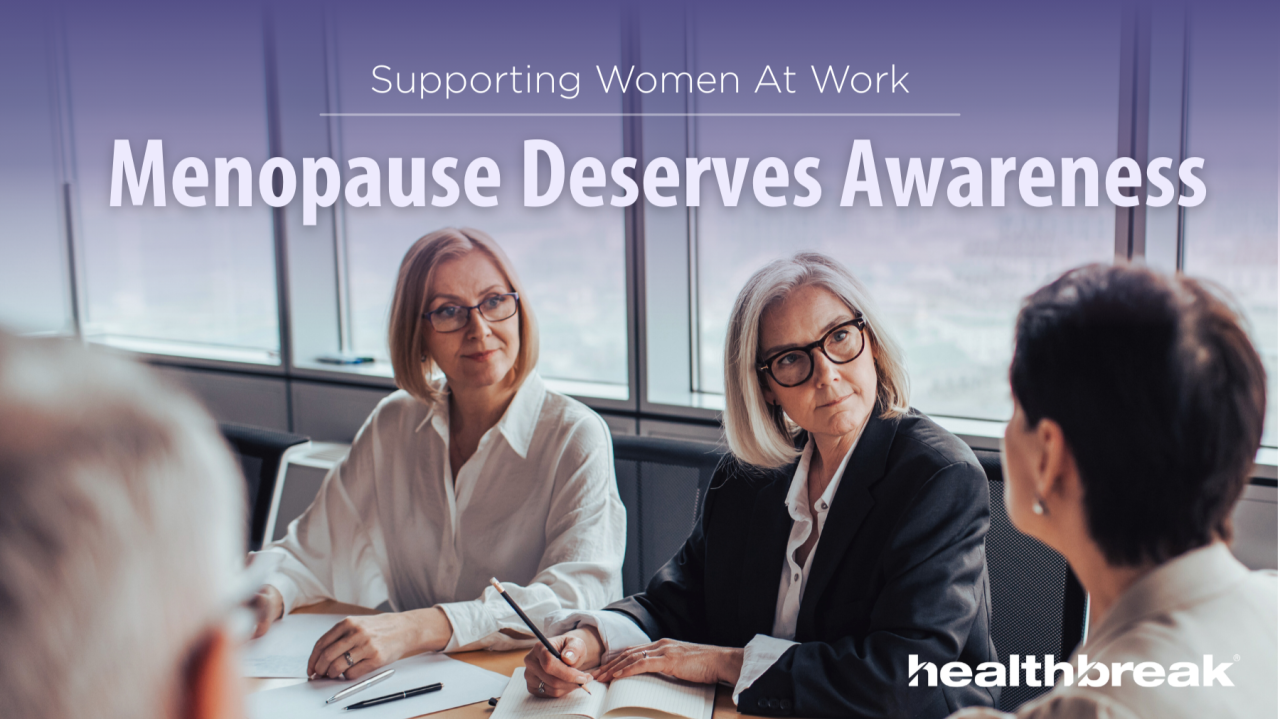
If you spend any time talking with employees or managers, you’ve probably noticed something that doesn’t always make it into HR surveys. Many mid-career and senior women are quietly dealing with perimenopause and menopause symptoms while still trying to lead teams, show up for their families, and manage busy lives. Things like sleep disruption, brain fog, mood shifts, and physical discomfort don’t stay neatly at home. They follow people into the workday.
What’s interesting is that this isn’t a fringe issue at all. It shows up in conversations with employers across every industry, yet it’s still one of the least acknowledged topics in workplace wellness. When women don’t feel supported, they’re more likely to step back from opportunities, miss work, or simply feel less steady day to day. It’s not because they lack dedication. It’s because the symptoms are real and often catch them off guard.
Forward-thinking employers are starting to approach this the same way they handle any other health challenge that affects performance and well-being: with education, a little flexibility, and an environment where people don’t feel embarrassed to ask for help. None of this has to be complicated or expensive. In fact, small steps can make a big difference.
For example, many organizations are reviewing whether their current benefits even mention perimenopause or menopause, much less offer guidance on how to get care. Some are training managers to respond with empathy when someone shares that they’re struggling with fatigue or concentration. Others are adding short educational sessions to help employees understand what’s happening physically and what options are available to them.
At Healthbreak, we see menopause as part of the bigger picture of whole-person wellness. Sleep, stress, activity level, and metabolic health all tie into how women feel during this season of life. When employers acknowledge this and offer the right support, it builds loyalty, reduces unnecessary turnover, and helps employees stay engaged and effective.
If you’re an HR leader or employer who wants to take a first step, you don’t need a full-blown overhaul. Start with awareness. Add a little education. Make sure your benefits reflect the needs of a multigenerational workforce. And most of all, send the message that your organization sees and supports the women who are carrying so much both at work and at home.
Healthbreak’s educators and wellness coordinators can help you design a practical, approachable program that supports women experiencing perimenopause or menopause symptoms. When employees feel better, employers benefit too. If you’d like to explore what that could look like for your organization, we’re here to help.
Valerie Nagoshiner, MBA
President, Healthbreak